
When Vet Tech Programs Move Beyond Video Review
Community College of Denver built an apprenticeship model that puts qualified employer mentors at the center of clinical skill verification.
By Shawna Granger | August 7, 2026 | 5 min read
- Article
- Tech & Systems
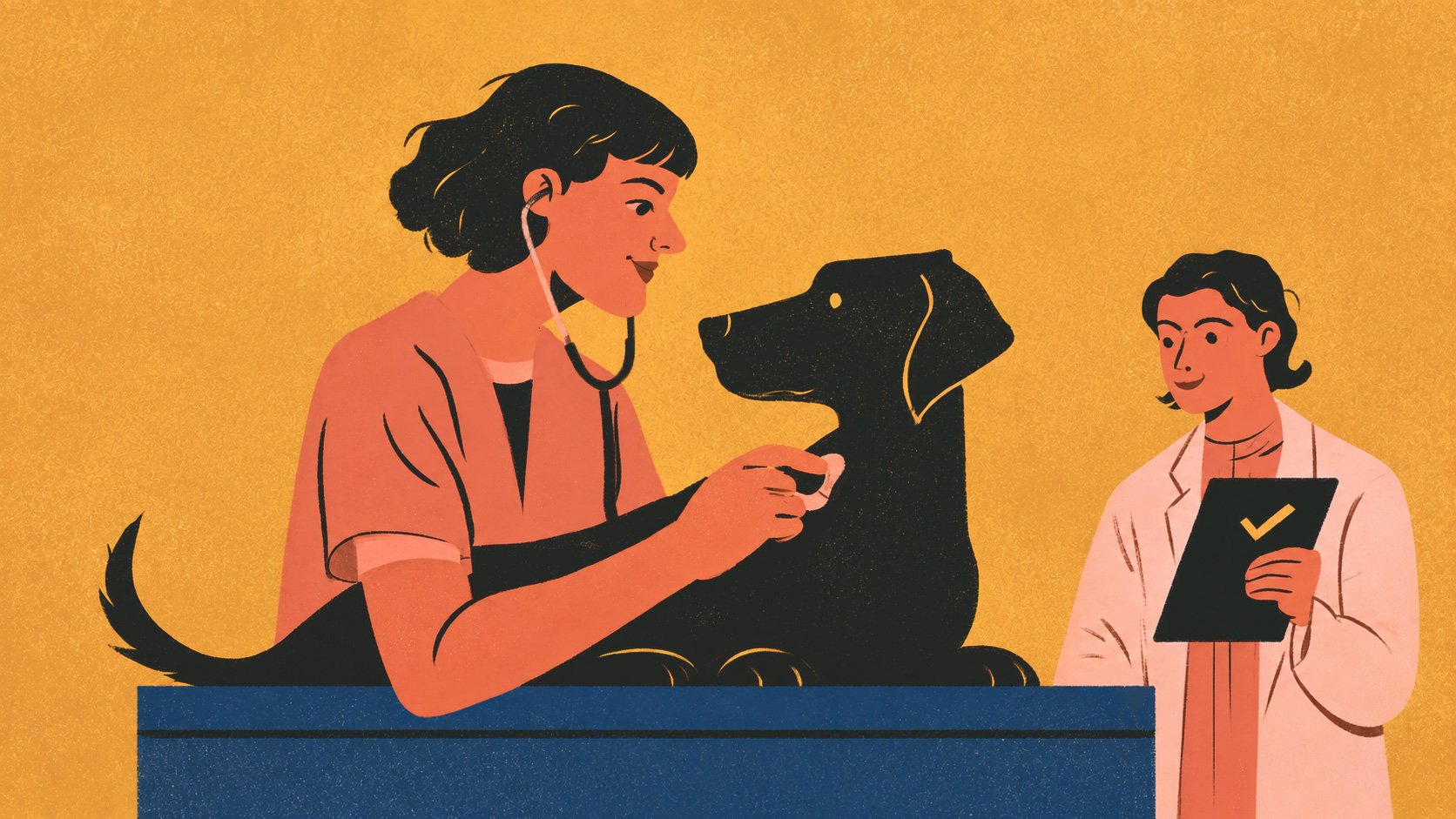
Distance veterinary technology programs need a way to verify hands-on clinical skills when faculty can't be present in the clinic.
For many programs, the answer is video. Students record a skill, faculty reviews the submission and keeps track of files, links, feedback, and follow-up. Faculty spends hours watching routine tasks already observed by qualified veterinary professionals in the clinic.
When I spoke with Jennifer Guenther, who leads Veterinary Technology at Community College of Denver, she described an apprenticeship model where students work in veterinary clinics while completing coursework remotely. Credentialed mentors at those sites verify essential skills in Trajecsys, giving the program a documented way to show how each skill was verified.
Employers can be partners in clinical education
Community College of Denver launched its first apprentice cohort in fall 2020. Apprentices work over 30 hours a week in veterinary clinics while completing a two-year associate degree, then join periodic on-campus labs throughout the semester. This gives veterinary assistants a way to advance without leaving paid work while giving clinics a path to grow their vet tech teams.
Guenther's program uses AVMA CVTEA as the traditional track, but employers play a larger role in clinical training.
Each employer assigns a credentialed veterinary technician or veterinarian as a mentor, and the program verifies those credentials, walks the mentor through the required skills and Trajecsys workflow, then keeps an affidavit confirming the training and the mentor's agreement to the role.
Faculty set expectations, train mentors, and provide oversight, while employers provide the clinical setting and firsthand observation.
Skill verification works best when each person has a clear job
CCD gives students, mentors, and faculty separate responsibilities and every skill moves through the same sequence. Students enter completed skills in Trajecsys, their mentor reviews the entry, validates it, and adjusts the evaluation, or leaves feedback.
Guenther reviews activity several times each semester to make sure skills have been entered and accepted as expected. The record gives her a quick view of each apprentice's progress, helping her spot missing skill entries and pending mentor approvals.
The program also keeps the employer's workload manageable. Students enter their completed essential skills while employers can return to training videos, step-by-step instructions, and program documents when they need a refresher.
Accreditation review looks beyond the sign-off
CCD's apprenticeship model underwent an AVMA CVTEA site visit, where reviewers asked how mentors were trained and how the program verified their qualifications.
Mentor training, credential records, affidavits, and Trajecsys documentation satisfied reviewers and clarified the documentation needed for employer clinical sites.
Each hospital where apprentices learn became an extension of the program for accreditation purposes were given documented processes for site preparation, student observation to met AVMA CVTEA standards. CCD needed evidence that learning areas at those sites met the same standards expected on campus.
Students get feedback while the work is still fresh
Students receive feedback from the person who observed the skill, rather than waiting for faculty to review a recording.
After spending months in veterinary settings, apprentices can better apply classroom knowledge in their day-to-day work. Students in the apprenticeship track often arrive at their anesthesia course with more hands-on experience than their on-campus peers.
CCD has graduated five apprentice cohorts. Guenther reported a 92% VTNE pass rate among 24 apprentice alumni who had tested when we spoke in summer 2026.
Students are working, mentors are trained to verify their progress, and faculty can see the record without sorting through a library of videos.
Qualified site mentors can verify clinical skills
Many programs rely on video in clinical education and suffer the time intensive review process that comes with it. Community College of Denver shows how qualified site mentors, clear expectations, and a record of each step can support a different approach, building a better clinical experience that works for students already in the field.
Video review is just one way to document clinical skills. CCD's apprenticeship model shows that when qualified mentors have clear expectations and the right documentation, programs can verify those skills where they happen.
Watch my full conversation with Jennifer:
About Trajecsys
Trajecsys (a Portico brand) centralizes clinical recordkeeping for nursing and allied health programs. One platform for time logs, competencies, evaluations, and accreditation data across every site and modality.Learn more.